







SAP Activate is a methodology designed to ensure the fast and efficient implementation of SAP’s ERP and other software solutions. It is Agile in nature but also incorporates elements of Waterfall project management techniques, making it a flexible and iterative approach. While SAP Activate is not entirely Agile, it blends Agile with Waterfall methodologies.
Waterfall Aspects of SAP Activate:
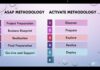
- Clearly Defined Phases: SAP Activate defines specific project phases (Explore, Realize, Deploy) with set goals, similar to the structured and linear approach of the Waterfall method.
- Planning and Design Stages: The initial phases of the project involve extensive planning and solution design, which is characteristic of the Waterfall methodology.
However, SAP Activate is flexible to a certain extent, but it is more structured compared to methodologies like Scrum or Kanban. While SAP Activate provides a defined framework for implementing SAP solutions (such as SAP S/4HANA, SAP Cloud), it does offer some flexibility depending on the nature of the implementation and the specific needs of the organization.
Here’s a deeper look at how SAP Activate is designed to be flexible with Agile Aspects
1. Agile and Iterative Approach
SAP Activate is built around Agile principles, which inherently offer flexibility. Unlike rigid, sequential methodologies (such as the traditional waterfall model), Agile allows for adaptive planning and incremental development.
- Agile Iterations (Sprints): The methodology is structured into sprints or iterative cycles, each designed to deliver value quickly and be adjusted based on feedback. After each iteration, you can evaluate and change the course of action, whether in terms of features, scope, or priorities.
- Continuous Feedback: SAP Activate encourages feedback from business stakeholders and end-users during these iterations. This makes it easy to adapt the solution based on real-time needs, business changes, and user experiences.
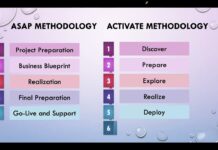
In contrast, more traditional methodologies like SAP ASAP rely on a more rigid, waterfall-style process where you often cannot change direction once a phase (like blueprinting) is completed. If you need to make changes after this phase, it can result in costly delays or rework.
2. Pre-configured Best Practices with Customization Flexibility
One of the core elements of SAP Activate is the use of SAP Best Practices, which provides pre-configured solutions based on industry standards. However, the methodology is also designed to allow for customization when necessary.
- Configurable Templates: While SAP Best Practices cover most standard processes, SAP Activate still provides flexibility in configuration. Teams can tailor solutions to meet specific business needs, whether it’s adjusting workflows, adding custom features, or integrating with existing systems.
- Cloud and On-Premise Options: SAP Activate supports both cloud-based deployments (like SAP S/4HANA Cloud) and on-premise implementations. The flexibility to choose between deployment options based on business requirements shows the adaptability of the methodology.
This is different from more rigid methodologies where the focus is on out-of-the-box solutions, and customizations are either difficult or not allowed after the initial planning phases.
3. Cloud-First and Scalable Approach
SAP Activate was designed for cloud environments, which are inherently more flexible compared to on-premise setups.
- Cloud-Based Deployment: Cloud solutions allow for faster scaling, quick updates, and the ability to adopt new features as they become available. As business needs evolve, you can easily scale and add new capabilities without major disruptions to the system.
- Frequent Updates: Unlike traditional models, where upgrades and patches may take a long time to implement, SAP Activate allows for continuous improvement through frequent updates, keeping the system aligned with business needs without requiring major overhauls.
This cloud-first approach makes SAP Activate adaptive to the ever-changing landscape of technology and business, offering ongoing flexibility for businesses to evolve their systems as needed.
4. Customization and Evolution in the “Explore” Phase
In SAP Activate, the Explore phase is particularly important in demonstrating flexibility. Here, you can engage in collaborative workshops with business users and stakeholders to refine requirements and adjust business processes. You’re not locked into the solution that was defined at the start of the project.
- During this phase, you can iterate on solutions, add new requirements, and adapt business processes to reflect real-time business goals. This phase allows for a degree of flexibility where the solution can evolve as the business’s understanding of its needs evolves.
In contrast, traditional approaches like SAP ASAP do not easily allow for changes in later stages once the blueprint has been signed off. Any changes may lead to delays or major rework.
5. Emphasis on Collaboration and Co-Creation
SAP Activate promotes collaboration between all project participants—consultants, developers, business users, IT teams, and third-party vendors—throughout the project lifecycle.
- Frequent Reviews and Adaptation: Regular reviews of progress and outcomes enable teams to quickly pivot when necessary. If a solution is not working as expected, feedback is provided, and the solution can be adjusted.
- Co-Creation: During the Explore and Realize phases, stakeholders are actively engaged in shaping the solution, ensuring that their needs are continuously met. This co-creation model ensures flexibility and responsiveness to change.
By involving key business stakeholders in the development process and allowing for feedback and changes during each phase, SAP Activate encourages an adaptive approach that aligns with evolving needs.
6. Modular Implementation
SAP Activate is modular, meaning businesses can implement specific SAP modules (e.g., finance, supply chain, HR) based on their priorities and timelines:
- Phased Approach: SAP Activate allows businesses to implement SAP solutions in phases, starting with a subset of functionality, then expanding over time. This makes it easier for organizations to prioritize what’s most important and adjust the implementation as they go.
7. SAP Fiori and User-Centric Design
SAP Activate incorporates SAP Fiori, a user experience (UX) design framework that prioritizes user needs and offers flexibility in adapting to different roles, devices, and workflows.
- User Customization: Users can personalize their experience with Fiori apps, making the system more adaptable to individual user requirements.
- Iterative UX Design: During each phase, feedback from users can be incorporated into the design, making the overall solution more flexible to user preferences and requirements.
This focus on user-centric design ensures that the solution is responsive to user needs, which can change over time.
8. Change Management Integrated Throughout
Change management is integrated throughout the SAP Activate methodology, particularly through its Agile approach. Change is not seen as a negative aspect but as an expected part of the process, and SAP Activate provides mechanisms for handling it:
- Ongoing Adjustments: Unlike rigid methodologies, SAP Activate is structured to embrace change. Regular iteration and feedback loops allow you to adjust the scope or direction of the project based on new insights.
- Iterative Prototyping: The methodology allows for the creation of prototypes early in the process, which stakeholders can review and change. This iterative prototyping ensures that changes are made incrementally rather than in one big wave.
This makes SAP Activate not only flexible but also prepared for continuous evolution throughout the project lifecycle.
Conclusion:
SAP Activate offers flexibility through its Agile, iterative approach, pre-configured solutions with room for customization, cloud-based scalability, and a strong emphasis on collaboration and continuous feedback. Unlike rigid, traditional methodologies, it provides the ability to adapt at every stage of the project and evolve the solution as business needs change. If changes or new requirements arise, they can be incorporated into the project without causing major disruptions.
While it may not feel as flexible in certain highly structured, waterfall-like projects, SAP Activate is designed to embrace change and adapt quickly, making it highly flexible for modern business environments that require speed, innovation, and continuous improvement.
That means, SAP Activate is flexible to a certain degree, particularly with its agile, iterative approach, ability to customize configurations, and modular implementation options. However, it maintains a level of structure and standardization that is best suited for organizations deploying SAP solutions across large-scale, complex environments. The flexibility primarily lies in how the methodology allows for adjustments and customizations within the framework of SAP best practices.
As a result, SAP Activate is not purely Agile, but rather an Agile-based approach that integrates both methodologies to provide a balanced, adaptable, and effective project management strategy.