










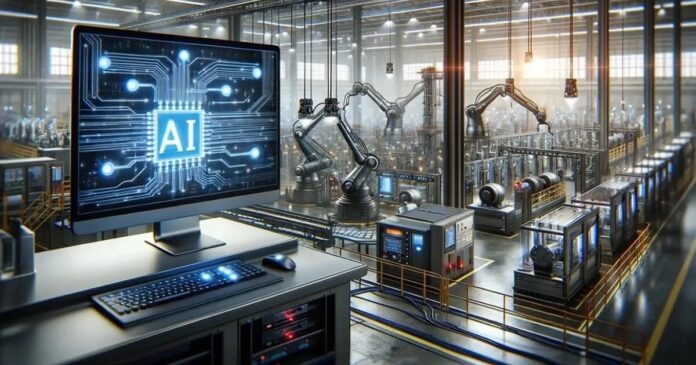
Artificial Intelligence (AI) has rapidly become one of the most influential technologies of the 21st century. It has transformed from a concept in science fiction to a reality that affects our daily lives. It has the potential to reshape industries, revolutionize the way we live and solve complex problems. So, what exactly is artificial intelligence and how does it work? In this article, I will touch on the basic concepts.
What is A.I ?
There is currently no commonly and widely accepted definition of AI. As our technological capabilities increase, AI’s scope will also increase. This broad scope and constantly evolving capability have made providing a standard definition of AI difficult.The term artificial intelligence was first used in 1955 to propose the Dartmouth Summer Research Project on Artificial Intelligence.
As a simplest dictionary defination
- Artificial: Made by people, often as a copy of something natural
- Intelligence: The ability to learn, understand, and make judgments or have opinions that are based on reason
- Artificial Intelligence : Unnatural intelligence made by humans (man-made intelligence)
In its broadest sense, Artificial intelligence (AI) is the simulation of human intelligence processes by machines, especially computer systems. This means that A.I. systems can be programmed to perform tasks that typically require human cognition, such as learning, problem-solving, recognizing patterns, understanding language, and even making decisions.
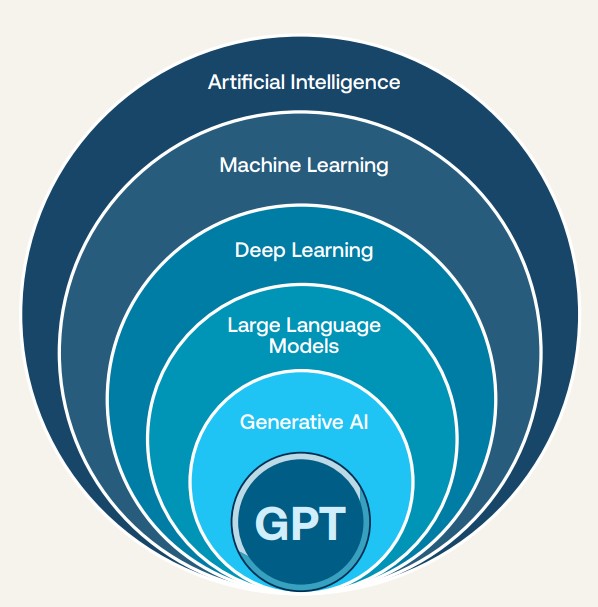
A.I. is not a single technology but rather an umbrella term that encompasses various subfields, including machine learning, natural language processing (NLP) -the study of the relationship between language and the brain-, deep learning, robotics and computer vision. These technologies enable machines to perceive, learn from, and interact with the world around them
Key Elements of AI
There are three key elements of AI: perception, prediction, and planning.
- Perception. The ability to understand the environment and process the data that the environment provides.
- Prediction. Enabling a machine to recognize patterns and use that recognition to predict future events. The AI’s overall performance can be improved by continuously observing iterations within the patterns—and learning from those iterations.
- Planning. Use what was perceived and the lessons from pattern observation to make decisions and develop plans
Types of A.I.
A.I. can be categorized into different types based on its capabilities:
- Narrow A.I. (Weak A.I.): This is the most common form of A.I. today. It is designed to perform a specific task, such as recognizing faces in photos, recommending songs on a streaming app, or answering customer queries through chatbots. Narrow A.I. is highly specialized but does not possess general intelligence beyond its programmed purpose.
- General A.I. (Strong A.I.): This is the hypothetical future version of A.I. that would be capable of understanding, learning, and performing any intellectual task a human can do. It would be able to think and reason across a wide range of subjects, but we are not there yet—this level of A.I. remains a concept in science fiction and research.
- Superintelligent A.I.: This is an even more futuristic concept where A.I. surpasses human intelligence in all aspects, from creativity to problem-solving. It is the subject of debate among scientists, with concerns about its potential implications for humanity.
How Does A.I. Work?
A.I. systems are built using algorithms—sets of rules and instructions that computers use to process data and make decisions. The most advanced form of A.I. today uses machine learning techniques, where algorithms improve over time by learning from large amounts of data. For example:
- Supervised learning: The system is trained on labeled data (where the answers are already known) to make predictions, like identifying objects in an image.
- Unsupervised learning: The system looks for patterns in data without pre-existing labels, such as grouping customers with similar buying habits.
- Reinforcement learning: The system learns by trial and error, receiving rewards for correct actions (like teaching a robot to navigate a maze).
Neural Networks
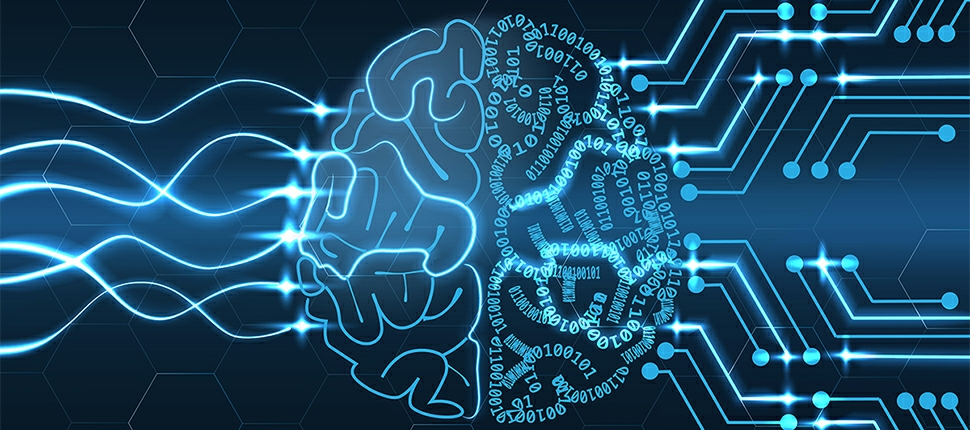
Our brains use neurons to connect the inputs from our senses and what we’ve learned. These connections enable humans to learn new skills based on their existing skill sets. Following this neural model, AI researchers created an ML algorithm called neural networks that can simulate how the brain works to encode learning. With neural networks, machines learn using a set of connected artificial neurons; they input information, analyze it, and produce an output. Over time these networks quickly learn patterns.
Deep Learning
One of the challenges with neural networks is that they require a lot of data and computing to work efficiently. The more neural layers in the network, the more efficient and powerful it can be. The trade-off for this increase is that the network becomes challenging to manage and difficult to scale. With the advent of big data and specialized graphics processing units (GPUs), we can create neural networks with many layers of artificial neurons to enable more complicated learning. This use of many layers of interconnected artificial neurons in a neural network is known as deep learning. Its name comes from the many artificial neuron layers. Deep learning neural network approaches to ML have proven successful at recognizing images, natural language processing (NLP), and other applications.
Categories of AI
As AI evolves and branches into diverse types that transform the interactions among machines, humans, and data, two distinct categories have arisen. In broad terms, these categories are dependent on the output from the AI models employed. Is AI being used in a generative (creative) process or predictive (analytical) one?
- Predictive AI: As its name implies, predictive AI is an AI system that makes predictions or recommendations. These models use historical data to forecast future events or to classify those events.
- Generative AI: Generative AI (GenAI) represents a specific, vital application subset within the broader domain of AI, focusing on the creation of new content. Generative AI is the application of ML techniques to the creation of new data based on learned patterns. The most popular GenAI solutions in the market are large language models (LLMs) trained on a huge amount of internet data. The generative models are usually specific to the kind of thing you want to generate. Text generators are optimized for text and can’t really generate images. Image generators are optimized for images and can’t really generate text. Prompts are natural language instructions for an LLM provided by a human so that the AI will deliver the desired results. Models like ChatGPT from OpenAI, Copilot from Microsoft, or Llama from Meta are powerful LLMs driving many current AI applications. In 2024, most AI researchers and practitioners—and most AI-related headlines—are focused on breakthroughs in generative AI (gen AI), a technology that can create original text, images, video and other content.
Real-World Applications of A.I.
AI is already embedded in numerous aspects of modern life, revolutionizing industries and creating new possibilities:
- Healthcare: AI has proven to be a game-changer in medicine, with applications in disease diagnosis, personalized treatment plans, and drug discovery. For instance, AI algorithms can analyze medical images to detect early signs of cancer, often with greater accuracy than human radiologists.
- Finance: The financial sector uses AI for algorithmic trading, fraud detection, and customer service. Chatbots powered by natural language processing can handle customer inquiries efficiently, while predictive analytics help institutions mitigate risks.
- Transportation: Self-driving cars and intelligent traffic management systems are being developed to reduce accidents, optimize traffic flow, and decrease emissions. Companies like Tesla, Waymo, and Uber are pioneering autonomous vehicle technology.
- Retail and E-commerce: AI helps retailers enhance the shopping experience through personalized recommendations, inventory management, and customer behavior analysis. This not only boosts sales but also improves customer satisfaction.
- Entertainment and Media: Streaming platforms like Netflix and Spotify leverage AI algorithms to suggest content based on user preferences. Video games use AI to create intelligent, adaptive NPCs (non-playable characters) that enhance player engagement.
Challenges and Risks
Despite its promise, AI presents several challenges and risks that cannot be ignored. One major concern is the loss of jobs due to automation. As AI systems become more capable, there is a fear that they could replace human workers, particularly in sectors like manufacturing, customer service, and transportation. This could lead to economic disparities and social unrest if not managed properly.
Another significant concern is the potential for bias in AI algorithms. Since AI systems are trained on data collected from the real world, they may inadvertently learn and perpetuate existing biases, leading to unfair outcomes in areas like hiring, law enforcement, and lending. Addressing this issue requires rigorous oversight and diverse data sets to ensure that AI systems operate fairly and ethically.
The rise of AI also raises privacy concerns. As AI becomes more integrated into our lives, there are increasing risks related to data collection, surveillance, and cybersecurity. Ensuring that AI systems are designed with robust privacy protections is crucial to maintaining public trust.
Ethical Considerations
With great power comes great responsibility, and this is especially true for AI. The ethical implications of AI development are a hot topic among researchers, technologists, and policymakers. One major ethical question is: Should AI have autonomy in making decisions that affect human lives? For instance, in the case of autonomous weapons, should AI systems have the authority to decide when to engage in combat?
There is also the issue of accountability. When AI systems make mistakes, who is held responsible—the developers, the users, or the systems themselves? As AI becomes more complex, establishing clear guidelines for accountability will be crucial.
Finally, there is the broader question of how AI will shape the future of humanity. As we develop increasingly sophisticated AI systems, we must consider their impact on human values, relationships, and social structures. There are growing calls for the establishment of international regulations to ensure that AI is developed in a way that benefits all of humanity rather than a select few.
Conclusion
Artificial Intelligence is no longer just a futuristic concept—it’s here and already shaping our world. Whether through voice assistants, recommendation algorithms, or automated vehicles, A.I. is becoming an integral part of our everyday lives. Understanding its potential, limitations, and ethical implications is crucial as we move towards a more A.I.-driven future.
As we move forward, it is essential to strike a balance between embracing the transformative potential of AI and safeguarding against its potential dangers. By doing so, we can harness the power of AI to create a future that is not only technologically advanced but also equitable and humane. The future of AI is bright, but it is up to us to ensure that it unfolds in a way that aligns with our collective values and aspirations.
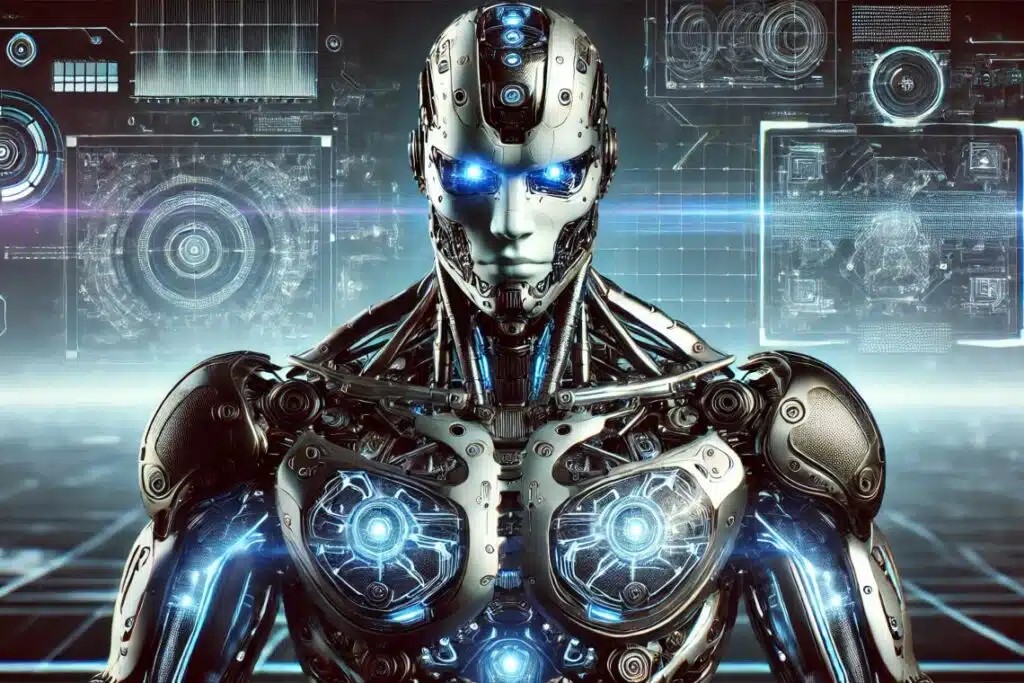
In almost all the science fiction movies made on this subject, Artificial Intelligence appears as an evil figure against humanity. I hope humanity is not facing such a bleak future.
“A computer would deserve to be called intelligent if it could deceive a human into believing that it was human.”-Alan Turing (Mathematician, father of computer science)
“Artificial intelligence will one day outsmart humanity, but I believe it will also teach us to be better humans—if we listen.”-Steve Wozniak (Co-founder of Apple)