






SAP Activate and Kanban are both methodologies used in project management, but they serve different purposes and operate on different principles.
Kanban is a tool used in Agile methodologies to visualize workflows, optimize processes, and enable continuous improvement in projects. SAP Activate methodology, on the other hand, combines elements of both Agile and Waterfall approaches but has a more flexible and iterative structure. Therefore, the principles of Kanban, such as visualization and workflow management, can also be applied to SAP Activate projects
What is Kanban?
Kanban is a visual workflow management method used to improve efficiency, optimize processes, and facilitate continuous improvement. The term “Kanban” (看板) comes from the Japanese words for “sign” or “visual card.” It was first developed by Toyota in the late 1940s as part of their production system to optimize manufacturing processes and reduce waste.
Now, Kanban is a powerful, flexible method for managing workflows and projects. Its focus on visualization, flow, and continuous improvement makes it an ideal choice for teams looking to optimize their processes, deliver high-quality work efficiently, and adapt quickly to changing priorities. Whether used on its own or integrated with other Agile methodologies, Kanban can significantly enhance productivity and collaboration in any project environment
What is SAP Activate?
SAP Activate is a project management and implementation methodology specifically designed to streamline the deployment of SAP solutions like SAP S/4HANA. It was introduced in 2015 to support both cloud-based and on-premise environments, providing a flexible and Agile approach to implementing SAP systems. SAP Activate enables organizations to accelerate their digital transformation journey by leveraging best practices, guided configurations and an Agile delivery approach.
Below is a comparison of SAP Activate, a framework designed specifically for implementing SAP solutions, and Kanban, a Lean and Agile methodology used to manage work in progress and optimize workflow.
1. Purpose and Focus
- SAP Activate:
- SAP Activate is a methodology designed for implementing SAP solutions, such as SAP S/4HANA and other SAP-related products. It focuses on the efficient deployment of SAP software, incorporating pre-configured best practices, tools, and guided implementations.
- The goal is to provide a structured, efficient approach to SAP projects, ensuring that configurations and customizations are applied correctly and that the project stays on track in terms of timeline and budget.
- Kanban:
- Kanban is a visual management method used to manage the flow of work in a continuous process, ensuring that work is completed efficiently without overloading any part of the workflow. Kanban focuses on visualizing work, limiting work-in-progress (WIP), and optimizing the flow of tasks through a system.
- Kanban is not specific to any particular industry or software but can be applied to a variety of fields (including software development, manufacturing, and service industries).
2. Methodology Structure
- SAP Activate:
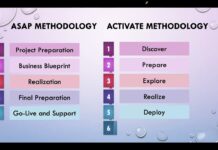
- SAP Activate follows a structured framework with clear phases, tools, and best practices for implementing SAP projects. It consists of the following phases:
- Prepare: Initial project preparation and planning.
- Explore: Gathering business requirements, validating SAP solution fit.
- Realize: Configuration, testing, and development.
- Deploy: Go-live and transition support.
- Run: Post-go-live support and ongoing operations.
- The methodology emphasizes pre-configured solutions and standardized processes for SAP implementations.
- SAP Activate follows a structured framework with clear phases, tools, and best practices for implementing SAP projects. It consists of the following phases:
- Kanban:
- Kanban is more of a visual workflow management system rather than a full project management methodology. It involves:
- Visualizing the workflow using a Kanban board.
- Limiting work-in-progress (WIP) to ensure that no one part of the process is overwhelmed.
- Managing flow by ensuring work moves smoothly from one stage to the next.
- Continuous improvement through regular reviews and optimization of the process.
- The Kanban system is flexible, with no prescribed phases or roles, making it adaptable to various types of work, from software development to customer service.
- Kanban is more of a visual workflow management system rather than a full project management methodology. It involves:
3. Project Phases vs. Continuous Flow
- SAP Activate:
- SAP Activate is phased and structured, meaning the project follows a set timeline with defined deliverables at each stage. The project team completes specific tasks in each phase before moving on to the next.
- The methodology is geared toward sequential steps where work is done in stages, including preparation, exploration, realization, deployment, and post-deployment support.
- Kanban:
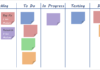
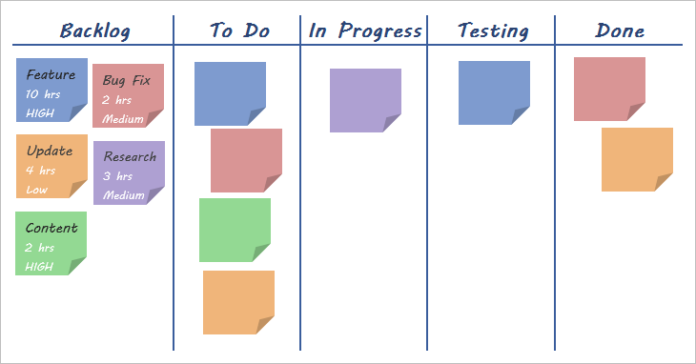
- Kanban operates on a continuous flow model, where work items are moved through various stages (e.g., To Do, In Progress, Done) on a Kanban board.
- There are no specific phases like in SAP Activate. Instead, work is managed in small, incremental tasks that are completed and moved through the process as quickly as possible. It focuses on optimizing the flow of work rather than completing projects in discrete phases.
4. Flexibility and Customization
- SAP Activate:
- SAP Activate has a more prescriptive approach compared to Kanban. While it is Agile-inspired, it relies heavily on SAP best practices and predefined templates for system configurations, which may limit flexibility.
- It is designed specifically for SAP implementation projects and is less customizable to other types of projects outside the SAP ecosystem.
- Kanban:
- Kanban is highly flexible and can be adapted to any project or workflow. It doesn’t prescribe any specific tools or frameworks and allows teams to adjust the system based on their needs.
- The core principles of visualizing work, limiting WIP, and managing flow can be applied to any work process, making Kanban much more versatile compared to SAP Activate.
5. Roles
- SAP Activate:
- SAP Activate involves defined roles specific to the SAP project, such as:
- Project Manager: Oversees project progress and ensures deliverables are met.
- Solution Architect: Defines the technical architecture and configuration.
- SAP Consultants: Experts in specific SAP modules who assist with system configuration.
- Business Process Owners: Responsible for aligning SAP configurations with business needs.
- These roles are structured to fit within the context of an SAP implementation.
- SAP Activate involves defined roles specific to the SAP project, such as:
- Kanban:
- Kanban does not prescribe specific roles. It can be used by any team, from software development to operations, without the need for structured roles.
- Kanban boards often have labels for team members working on tasks, but roles are not as rigid or predefined as in SAP Activate. The focus is on work items, not specific roles.
6. Collaboration and Stakeholder Involvement
- SAP Activate:
- SAP Activate requires collaboration between the project team, business stakeholders, and SAP experts. The methodology includes activities such as workshops, business process validation, and feedback loops during the Explore and Realize phases.
- Stakeholders are actively involved in providing input to ensure that the solution meets business needs, but the collaboration is more structured compared to Kanban.
- Kanban:
- Kanban emphasizes continuous communication between team members, but it is less prescriptive about stakeholder involvement compared to SAP Activate. The collaboration occurs around work items as they move through the workflow.
- Stakeholders can be involved in reviewing the flow and ensuring work meets requirements, but there is no formal phase where stakeholder engagement is required, as in SAP Activate.
7. Tools and Techniques
- SAP Activate:
- SAP Activate uses specific SAP tools and platforms to guide the project, such as:
- SAP Solution Manager: To manage the implementation and track progress.
- SAP Fiori: For the user interface.
- SAP Cloud Platform: For cloud integration and deployment.
- It also relies on predefined best practices for SAP configurations, templates, and accelerators to expedite the implementation.
- SAP Activate uses specific SAP tools and platforms to guide the project, such as:
- Kanban:
- Kanban can be managed using simple tools like physical Kanban boards (with sticky notes) or digital tools such as Trello, Jira, Monday.com, or Azure DevOps. These tools help visualize work, set WIP limits, and track flow.
- There are no specific tools required by Kanban, but visualization and WIP limits are essential components.
8. Approach to Change
- SAP Activate:
- SAP Activate is structured and relatively fixed, especially in the context of implementing SAP solutions. While it is flexible in terms of configuration and customization of the SAP system, it follows a more defined process with specific activities in each phase.
- Changes are managed within the context of the project plan and system configurations, but the framework is less adaptive to continual, real-time changes compared to Kanban.
- Kanban:
- Kanban is designed to embrace continuous change. The system is adaptive, allowing changes to be made as needed based on real-time feedback, team capacity, or new work items.
- The core idea of visualizing work and limiting WIP makes it easier to react quickly to changes, whether they are new tasks, changes in priorities, or interruptions.
Comparison Summary
| Aspect | SAP Activate | Kanban |
| Purpose | Implement SAP solutions | Manage and optimize workflow efficiency |
| Structure | Phased, structured methodology for SAP projects | Continuous flow, no predefined phases |
| Flexibility | Less flexible, specific to SAP implementations | Highly flexible and adaptable to any process |
| Roles | Defined roles (e.g., Project Manager, SAP Consultants) | No specific roles, focus on work items |
| Collaboration | Defined collaboration with stakeholders during project phases | Continuous collaboration around work items |
| Tools | SAP-specific tools (SAP Solution Manager, Fiori, etc.) | Any Kanban board (physical or digital tools) |
| Approach to Change | Change is managed within predefined phases | Continuous adaptation to change |
| Best For | SAP software implementation projects | Any process needing flow optimization |
How Can We Use Kanban in SAP Activate?
In SAP Activate, Kanban boards can be used during the Explore, Realize, and Deploy phases to track workflows and optimize project progress.
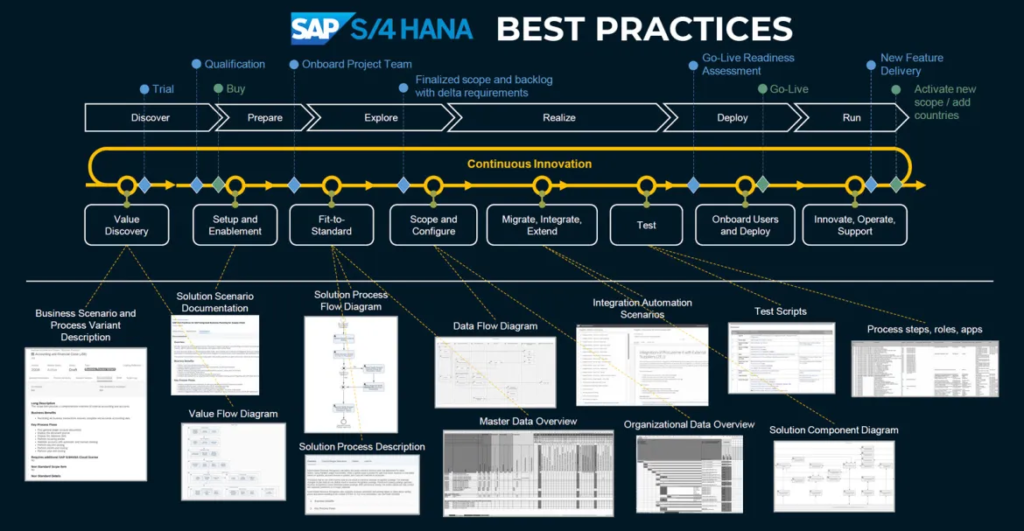
1. Explore Phase:
Kanban can be used in the Fit-Gap Analysis and Business Requirements Gathering processes.
- Kanban Board:
- To Do: Items to be analyzed and requirements to be gathered.
- In Progress: Processes for evaluating requirements and developing prototypes.
- Done: Requirements approved and business processes documented.
- Advantage: It makes the process of gathering and validating business requirements more transparent and organized.
2. Realize Phase:
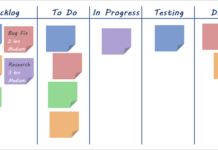
Kanban boards can be used to track the progress of system configuration, development, and testing tasks.
- Kanban Board:
- To Do: Features to be configured or developed.
- In Progress: Work on configuration, development, and testing activities.
- Testing: Items to be tested.
- Done: Completed and approved tasks.
- Advantage: Visualized workflows in the project help identify bottlenecks early and encourage continuous improvement.
3. Deploy Phase:
Kanban boards can be used for Data Migration, End-User Training, and Go-Live Preparations.
- Kanban Board:
- To Do: Data transfer, preparing training materials, and planning cutover activities.
- In Progress: Go-live preparations and end-user training.
- Done: Successfully completed tasks (e.g., data migration completed, training delivered).
- Advantage: Helps track the status of each task, ensuring a seamless transition to the production environment.
Benefits of Using SAP Activate and Kanban
- Visualizing Workflows: All team members can see the status of tasks and the priority of the work.
- Better Workload Management: Teams can avoid overload by quickly identifying bottlenecks.
- Continuous Improvement: Teams can review the Kanban board after each Sprint or phase to identify areas for improvement.
- Flexibility and Adaptability: Quickly respond to change requests and new requirements in SAP Activate projects.
In Summary Kanban can be an effective tool within the SAP Activate methodology. It enhances transparency, enables teams to work more efficiently, and encourages continuous improvement. Aligned with the Agile nature of SAP Activate, Kanban boards allow projects to be managed more flexibly and dynamically.