








n the 1890s, the famous scientist Nikola Tesla had a vision regarding wireless power transfer. He foresaw that as we moved forward, smaller and more practical devices would replace existing ones, and with the full utilization of wireless technologies, smart devices capable of communicating with each other could transform the world into one giant brain.
Decades after Tesla’s prediction, in 1991, engineers working in a lab at Cambridge University, UK, placed a camera in front of a coffee machine to monitor its status on their computer screens. This way, they could ensure that the coffee was consumed while fresh. The coffee machine became ‘smarter,’ and this application is considered one of the first examples of the Internet of Things in history.
In 1999, Kevin Ashton used the term “Internet of Things” during a presentation at P&G, where he discussed the benefits of implementing RFID (Radio Frequency Identification) technology for the company. The proposed system was based on radio waves and sensors, which essentially introduced the concept of the Internet of Things.
Throughout the 1990s, RFID technology, along with Bluetooth—a low-cost radio solution capable of connecting small devices to the internet—set the stage for IoT. In the early 2000s, the emergence of GPRS, WiMax, Zigbee, and other wireless communication standards, followed by advancements in cloud technology, laid the groundwork for IoT.
With the arrival of cloud, mobile, and Web 4.0 technologies, the internet was redefined as the “4th generation internet” by the 2010s, describing a network connecting all objects, both living and non-living. This concept was later named the “Internet of Things,” where every device became “smart.”
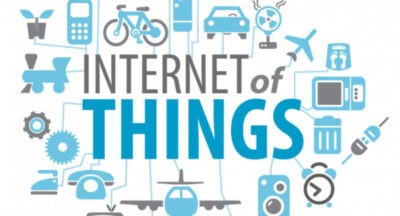
The Internet of Things can be defined as a system in which “physical objects or devices, such as cars, refrigerators, ovens, air conditioners, etc., communicate with each other over a globally widespread network.” In simpler terms, it refers to a system where almost all physical objects (cars, kitchen appliances, televisions, etc.) become smart through sensors that enable them to communicate and store data, thereby connecting to the internet and other systems.
Over the next few years, more devices will become “smart” and join this list. According to research, it is estimated that around 10-11 billion devices are currently connected to the internet, and this number is projected to reach 50 billion by 2020, paving the way for smart homes, smart cities, and ultimately a smart world.
The enormous data potential obtained through IoT in the coming years is expected to bring significant economic and social benefits. If we look at some of the potential application areas of IoT with the potential to transform our lives:
1. Environment:
With the global population exceeding 7 billion, managing natural resources has become a critical issue. IoT offers unique solutions to problems like clean water, air pollution, solid waste management, and deforestation. By using sensor-based devices, data can be easily collected from areas like sewage systems, landfills, or forests, allowing for analysis and insights into the severity of various threats.
2. Agriculture:
IoT enables the establishment of smart farms where every step can be monitored to increase agricultural productivity. With sensors placed in fields, it is possible to determine the optimal irrigation levels, fertilizer amounts, and more. Additionally, IoT provides data-driven solutions for tracking the safety of food, allowing individuals to monitor what they eat.
3. Energy:
As the global population grows, energy consumption is expected to increase by over 50% in the next 30-40 years. IoT contributes to the global energy challenge by optimizing the efficiency of current technologies and enabling the management of energy systems through smart automation and meters. Devices can be controlled remotely, and IoT allows systems to detect issues, like malfunctioning appliances, even before users notice them.
4. Transportation:
The transportation and logistics sector is at the forefront of IoT adoption. With the help of sensors, smart transportation systems are being developed to monitor roads, tunnels, and subways, count vehicles, calculate travel times, detect potholes and obstacles, and optimize parking space usage. These systems generate data that can be used to create intelligent traffic management applications.
5. Healthcare:
The healthcare sector is one of the most trending areas for IoT applications. IoT digitizes and automates healthcare data, enabling prioritization of critical workflows based on different scenarios. It offers solutions for monitoring, imaging, and diagnosing health conditions by digitizing health data. Health devices can monitor parameters like weight, body mass index, sleep patterns, and daily activity levels.
6. Public Sector:
The concept of smart cities is becoming more prevalent. Collecting and analyzing data to create value is at the core of many public sector missions. By integrating IoT into buildings, it is possible to assess the structural damage of buildings after earthquakes, thereby preventing the use of damaged structures. Real-time monitoring of street and traffic density through sensors helps optimize street lighting and reduce energy consumption. Additionally, sound sensors allow noise measurements in specific locations within cities. Municipalities use IoT to improve service efficiency, from repairing streetlights to optimizing garbage truck routes.
7. Companies:
Cloud computing plays a crucial role in the development of IoT. The cloud provides a low-cost, continuously operating space for data storage and computing. Thanks to affordable and scalable cloud infrastructure, the storage and processing load of IoT devices can be easily offloaded to cloud servers, creating significant opportunities for businesses. Reports indicate that 94% of companies investing in IoT have seen returns, with the IoT market expected to triple by 2020 (approximately €250 billion).
Despite these advancements, this technology is still in its infancy, with many areas for improvement. Some of the challenges IoT faces include:
Key Challenges:
- Security: With the rise of IoT and Big Data, banks and insurance companies are preparing for a new wave of security threats. The lack of security measures in inexpensive IoT devices put online by vendors and users is one of the biggest concerns for cybersecurity experts.
- Energy: Despite Tesla’s vision of wireless power transfer over 120 years ago, we still lack efficient wireless charging solutions beyond batteries for smartphones and electric toothbrushes. To unlock IoT’s full potential, devices need to operate independently from power sources, necessitating batteries that last for years, but this technology is still under development.
- Network Standards: There is no universally accepted global standard for the wireless communication of IoT devices. Different companies use various protocols like LoRaWAN, Zigbee, LTE-M, IEEE 802.11ah, etc., making integration complex and costly.
In the coming years, this technology will continue to evolve exponentially, transforming into a “smart world” project where different devices will collaborate for common goals.
Are we ready for this change? Only time will tell.
“A person who never made a mistake never tried anything new.” – Albert Einstein